Washi Art International Exchange Exhibition — Connecting Cultures and Disability Art —
Dates 11-14 September 2026 10:00~18:00
Venue Bunnik Travel 45 Flinders Street ADELAIDE 5000
Free Admission
Overview / Concept
This exhibition is an international cultural exchange project centred on Japanese Washi art,
bringing together artists from Japan and Australia while highlighting the social value of
disability-inclusive art practices.
Through contemporary Washi art, the exhibition aims to foster mutual understanding between
Japanese and Australian cultures and to demonstrate how art can connect people beyond language,
nationality, and physical or intellectual differences.
The objectives of this exhibition are:
・To promote Japanese culture internationally through the medium of Washi art
・To encourage cultural exchange between Japanese and Australian artists
・To contribute to society through disability art and inclusive creative practices
・To create meaningful dialogue between artists, audiences, and local communities
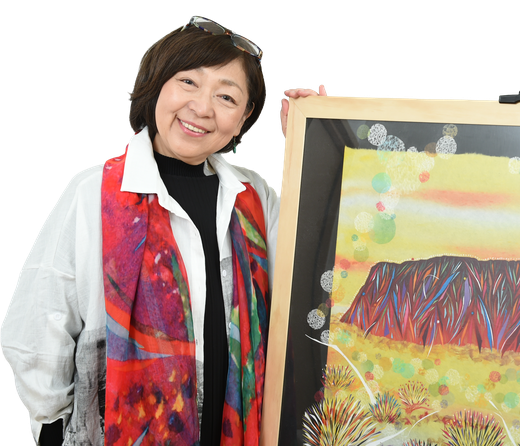
MIdorino Kaeru
Born in 1961, Midorino Kaeru moved
to Australia with her family at the age
of 36, and now resides in Adelaide,
South Australia. Today, she works as
a washi artist based in Australia,
creating and exhibiting her work both
locally and internationally.
At the age of 50, she was captivated by
the delicate beauty of washi, one of
Japan's treasured traditional crafts. Drawing on
her skills from a career in
hairdressing, she developed her own unique
method to create works that inspire and move audiences. Her exhibitions, held across Australia and
abroad, share this beauty with the world.The central theme of her art is "A message from a world
Without Words"- expressing the coexistence of nature and humanity, the importance of protecting
our planet, and reflections on the value and fragility of life, as well as the powerful resilience of the
natural world. Her work delivers messages that are at once delicate and strong. As pioneer of new
approaches to art appreciation, she blends music and visual art to create a mystical atmosphere
that breathes life,
wonder, and healing into her audiences.
Each piece becomes a conversation with the viewer about the themes that will shape our shared future.
Acting as a bridge between cultures, she is committed to sharing the beauty of washi and the depth
of Japanese culture with the world.

Profile
David Kennett studied design and illustration, graduating with a Bachelor of Design in 1985.
He began his career in publishing, writing and illustrating books for children, and has also taught drawing and life drawing in both formal and informal settings.
Today, David focuses on creating images for exhibition and personal enjoyment. Drawing remains central to his life: he sketches whenever he can, especially while travelling, and regularly attends weekly life drawing sessions. His wide curiosity about the world is reflected in the variety of subjects explored in his work.
He creates his drawings digitally in Photoshop and uses print-on-demand processes, an approach that helps reduce waste and reflects his thoughtful attitude to artmaking.
David Kennett is a member of the Royal South Australian Society of Arts, where he exhibits regularly. He believes drawing is not only a way of seeing but also a way of connecting more deeply with the world. For him, making art can support mental wellbeing and foster a greater sense of wonder, appreciation and care for life around us.
Virtual Gallery
https://www.youtube.com/watch?v=cj20b_ZJ5eo&t=39s
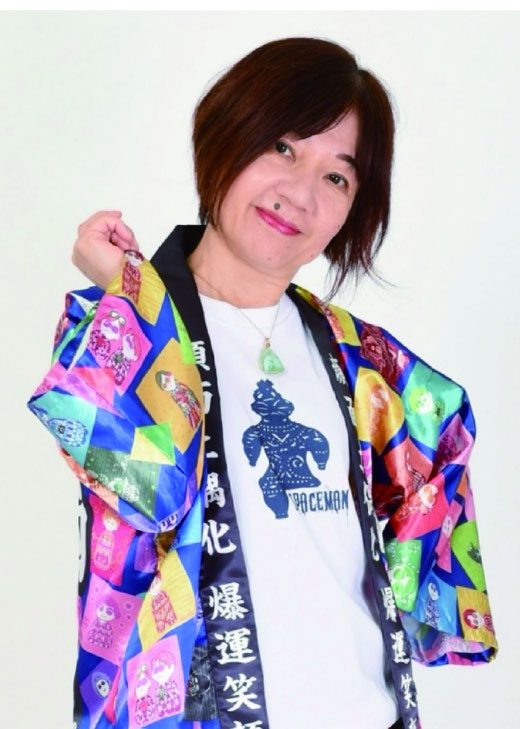
Monica
Monica began her artistic journey in 2022 during a period of recovery.
She started with portrait drawings and expanded her practice. Her art books have been highly
recognized internationally, reaching No.1 in multiple countries.
She has exhibited in the UK and France, and her works are part of collections in New
York.
Currently, she creates artwork inspired by Japan’s ancient Jomon culture, combining Dogu (ancient
Japanese clay figurines) with portrait art. She calls this style “Face Dogu Transformation.”
In 2025, she held solo exhibitions such as “Tea and Dogu,” which combines Japanese tea culture with
Dogu, and “Sound and Dogu,” which combines art with music and voice.
She also works with children with physical disabilities. She receives their natural and honest
expressions, and creates artworks together with them through collaboration.
Through this process, she expresses Japanese culture and spirituality in a contemporary art
form.
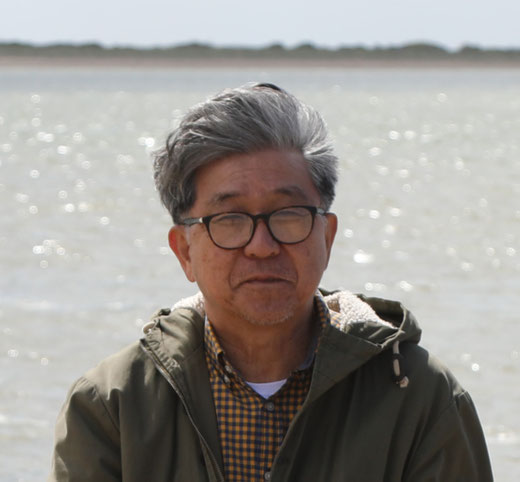
Ryo Muto
Creative Support for Midori no Kaeru Based in Australia.
A versatile creator specializing in everything from digital content to spatial installation. Key Areas of Expertise:
-
Film: High-quality video capture and editing tailored to brand storytelling.
-
Spatial Design: Comprehensive shop design and conceptual planning.
-
Washi Craft: Creating ambient atmospheres with washi paper lamps and shoji partitions.
-
Framing: Custom frame construction designed to complete the artwork's narrative.
Drawing inspiration from the Australian landscape, their work focuses on harmonizing traditional Japanese techniques with contemporary lifestyles.
Workshops
During the exhibition period, hands-on Washi art workshops as well as workshops led by
a Japanese artist are planned.
These workshops are designed to be accessible to:
・General visitors
・Children
・People with disabilities
The workshops aim to provide hands-on cultural experiences and inclusive creative engagement.